Backup guide
Can solar panels work during a power outage?
Solar panels do not automatically keep a home powered when the grid fails. The answer depends on the documented system configuration.
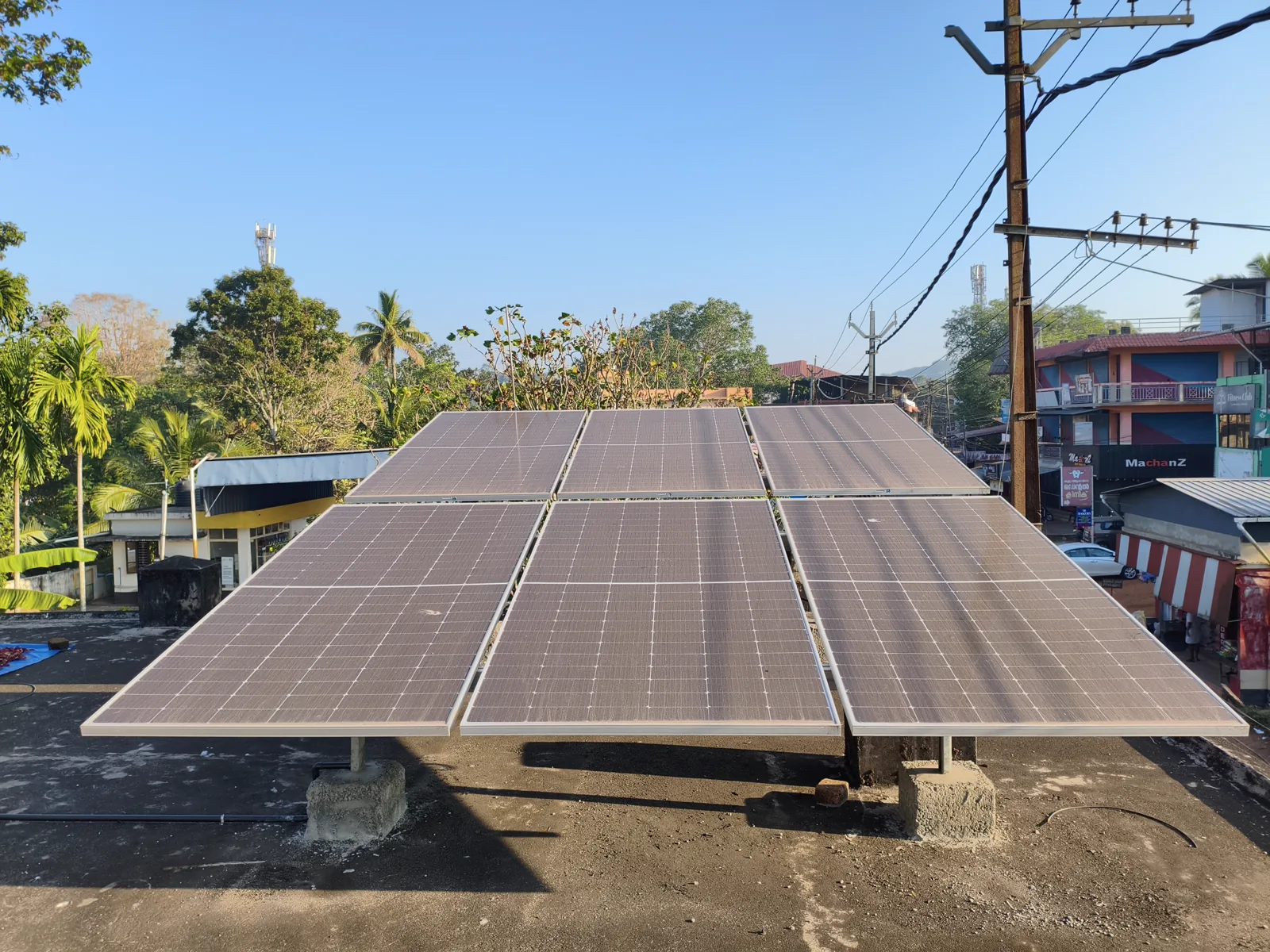

The answer depends on the configuration
A grid-connected photovoltaic system is generally designed to disconnect when the grid goes down. DOE explains that residential solar panels alone are not enough for resilience because they generally depend on the grid and turn off for safety when grid power is interrupted.
A backup-capable system needs a configuration that can separate and serve authorized loads. That does not make every panel, inverter or battery an automatic backup system. Request model documentation and installed scope before assuming outage power.
This page addresses whether a configuration can support loads; it does not calculate duration. Use the runtime guide with actual equipment and load information.
Source: Solar and Resilience Basics
The role of the inverter and battery
Panels produce direct-current electricity; an inverter participates in converting and managing that power for the home and grid relationship. DOE identifies properly configured inverter equipment and storage as part of a system that can operate on its own during an interruption.
A battery provides stored energy and can help manage production and demand variation within a compatible setup. The inverter, backup interface, battery and circuit design must be reviewed together. A product category name does not establish compatibility.
A manufacturer owner’s guide may describe a transition between grid and backup power. That supports the specified product and configuration only; it does not prove another model or home will behave the same way.
Source: Solar and Resilience Basics, Enphase Energy System with IQ Battery 5P Owner’s Guide
Backup loads and limitations
Describe backup by loads or circuits, not a vague promise. Prioritize household needs and request an explicit list of exclusions. Simultaneous power, starting peaks and stored energy are different limits.
Air conditioning, pumps and other motor loads may need individual review. Do not change panels, wiring or disconnecting equipment to try to expand backup. Qualified personnel and the manufacturer instructions govern that work.
Keep a simple priorities list for the discussion of batteries, inverters and controls. Inverter selection requires exact model confirmation; battery information can support the storage discussion without promising a result.
- Expected outage loads.
- Included and excluded circuits.
- Power and energy limits of the proposal.
- Documented behavior when the grid returns.
Source: Solar and Resilience Basics
What to confirm in a proposal
Request an energy-flow diagram or clear description showing grid, panels, inverter, battery and backup loads. It should name models and explain each component’s role instead of relying on a generic picture.
Confirm what happens during an outage, transition conditions, the portion of the home served and appropriate user actions. The answer should point to the actual model manual, not an editorial promise.
When comparing alternatives, normalize these answers in the quote worksheet. A proposal that does not identify equipment, scope and limits leaves material questions unanswered.
| Item | Answer to obtain |
|---|---|
| Inverter | Model and outage role |
| Battery | Model and backup scope |
| Loads | Included and excluded circuits |
| Documents | Manual and written scope |
Source: Solar and Resilience Basics
When professional evaluation is needed
Obtain qualified evaluation before approving service changes, high-demand loads, expansions or safety-critical backup. A photo, utility bill or generic list cannot confirm a safe configuration.
This is a public information site and does not identify an installer with confirmed capability or coverage. The publisher provides education only; assessment, installation and quoting belong to the identified professional.
Before a visit, collect the equipment names you already have, the loads you consider essential and questions about changing usage during an outage. That preparation does not establish compatibility or system capacity, but it gives a qualified reviewer a clearer starting point and avoids treating a generic diagram as an installation plan.
Keep the final written response with the proposal. If the proposed backup scope changes after a conversation, ask for an updated diagram or scope statement rather than relying on memory. This makes it easier to see whether a change affects selected circuits, equipment models, assumptions, or the documents needed for later service.
Questions
Do solar panels keep producing in an outage?
Do not assume so. DOE says a residential system needs properly configured inverter equipment and storage to operate on its own; confirm the specific configuration.
Source: Solar and Resilience Basics
Prepare a like-for-like comparison
Use a documented checklist to compare equipment, scope, warranties, payment terms and unresolved questions.
Compare solar quotesSources
- Solar and Resilience Basics — U.S. Department of Energy, 2026-11-15
- Enphase Energy System with IQ Battery 5P Owner’s Guide — Enphase Energy, 2026-11-15