Reading output estimates
What affects solar panel energy production
An energy-production projection is a set of site and system assumptions, not a savings promise or a result that repeats identically every year.
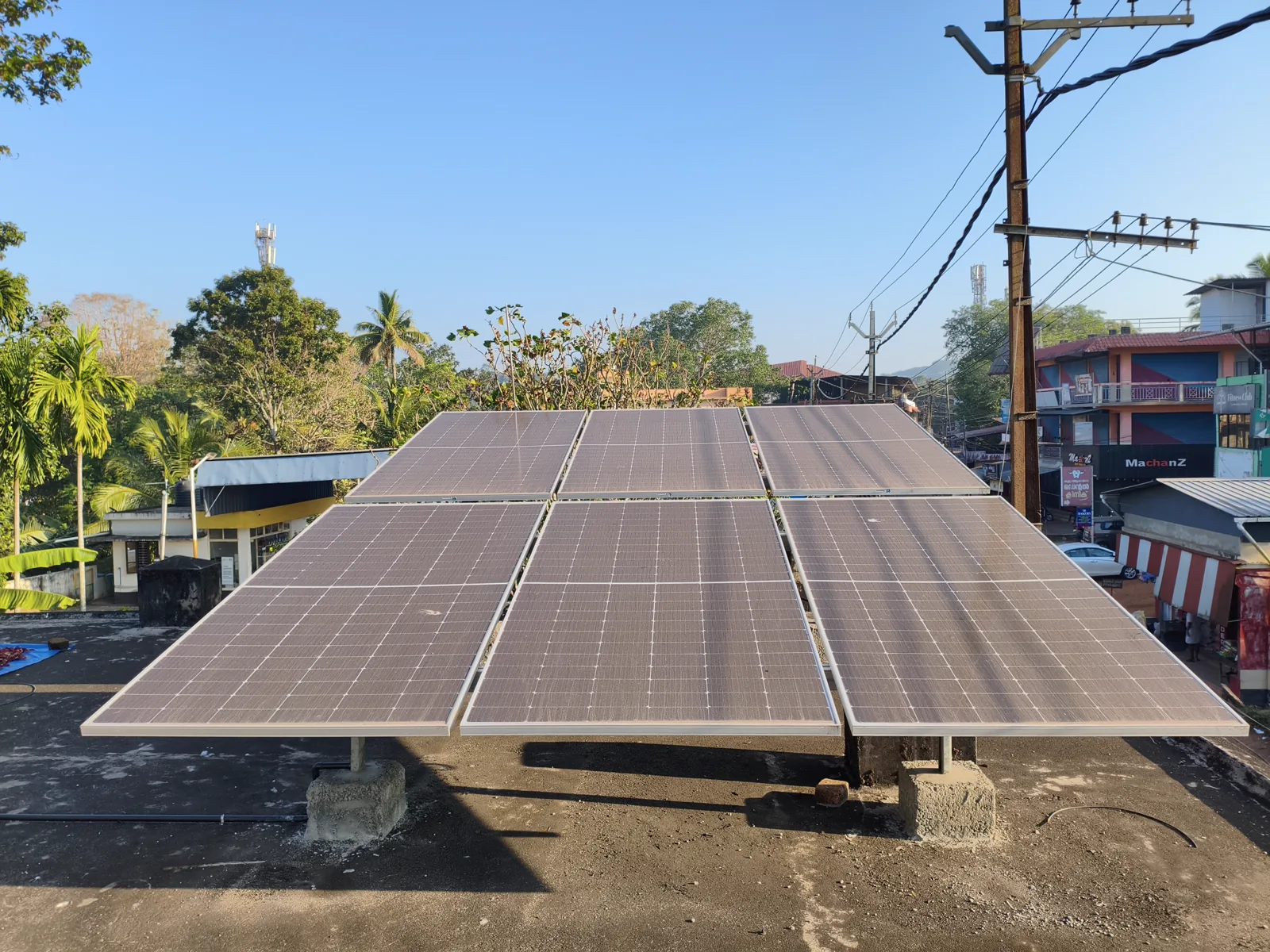

Installed power versus produced energy
A kilowatt (kW) is a unit of power; a kilowatt-hour (kWh) is a unit of energy equal to one kilowatt of power sustained for one hour. System nameplate power and estimated energy for a period are therefore not the same measurement. Ask the proposal to show the units, period, and whether a number is annual, monthly, or another type of estimate.
Production is the supply side; household consumption is demand. For historic demand, use kWh and consumption-change records before interpreting a projection.
Source: Style Guide Full Text
Location, shade and configuration
DOE explains that solar potential depends in part on location, the home’s position relative to the sun, shade, and the system selected. Roof condition also matters. These inputs vary by site and may change as vegetation grows, roof work occurs, or the system configuration changes.
An online tool can orient a discussion, but DOE notes these tools use remote data and recommends detailed assessment for site-specific potential. Do not convert a map or satellite image into a production guarantee.
Source: Walk Me Through It: A Step-By-Step Guide for Consumers Going Solar
Record what an output estimate discloses
This page does not present a universal list of required inputs for every output model. Instead, keep a reading worksheet: when a proposal discloses a calculation detail, record the capacity and units shown, models, orientation or tilt if shown, resource source and date, shade or loss treatment, and result period. The list compares what is disclosed; it does not prove that every item was used or replace technical review.
This page publishes no general kWh-output or savings number for Puerto Rico. A number without an identified site, design, and conditions is insufficient for a decision.
- What units and period does the projection show?
- What resource source and date does it identify, if any?
- What does it say about shade, soiling, temperature, or losses, if anything?
- Which design change would require the result to be revisited?
| Disclosed item | Value shown | Question |
|---|---|---|
| Capacity and equipment | Record kW, kWh if shown, and models | Which unit and equipment does it cover? |
| Site and method | Record orientation, shade, or method if shown | Confirmed in a site visit? |
| Conditions or losses | Record percentage, note, or method if shown | What does it include or leave unexplained? |
| Result | Record kWh and period | Estimate, not guarantee? |
Source: Style Guide Full Text, Walk Me Through It: A Step-By-Step Guide for Consumers Going Solar
How to review an installer projection
Compare a projection with your kWh records, but do not promise production and consumption will match month by month. Check the proposed equipment, roof area, and when design review occurs. The same home can have different results if shade, orientation, equipment, or real conditions change.
Connect this review to proposal scope: an output estimate should correspond to the same models and capacity shown in the price. If a proposal does not explain an assumption, record that absence rather than completing it yourself.
Source: Walk Me Through It: A Step-By-Step Guide for Consumers Going Solar, Style Guide Full Text
Uncertainty and missing information
No local solar-resource study, shade measurement, final models, or approved technical review exists for a numerical estimate on this page. It also makes no savings, bill-credit, or future-output promises. Those conclusions require current site information and qualified review.
Keep the dated projection and request that any design revision be reflected in its price, equipment list, and assumptions.
Questions
How many kWh will my system produce?
It depends on the system and site. Request a projection that shows its units, period, equipment, and any site or condition detail the provider uses or discloses; kWh should be identified as energy, not power.
Source: Style Guide Full Text, Walk Me Through It: A Step-By-Step Guide for Consumers Going Solar
Does output equal guaranteed savings?
No. An energy projection alone does not determine billing, rates, charges, or future household consumption.
Prepare a like-for-like comparison
Use a documented checklist to compare equipment, scope, warranties, payment terms and unresolved questions.
Compare solar quotesSources
- Walk Me Through It: A Step-By-Step Guide for Consumers Going Solar — U.S. Department of Energy, 2026-11-15
- Style Guide Full Text — U.S. Department of Energy, 2026-11-15