Property and equipment guide
What to evaluate before installing a battery in an apartment
An apartment battery is not one category. A portable unit, an installed battery and a grid-connected solar-storage system have different uses, permissions, risks and responsibilities. Before comparing products or backup promises, identify the equipment type and who may authorize changes to the property.
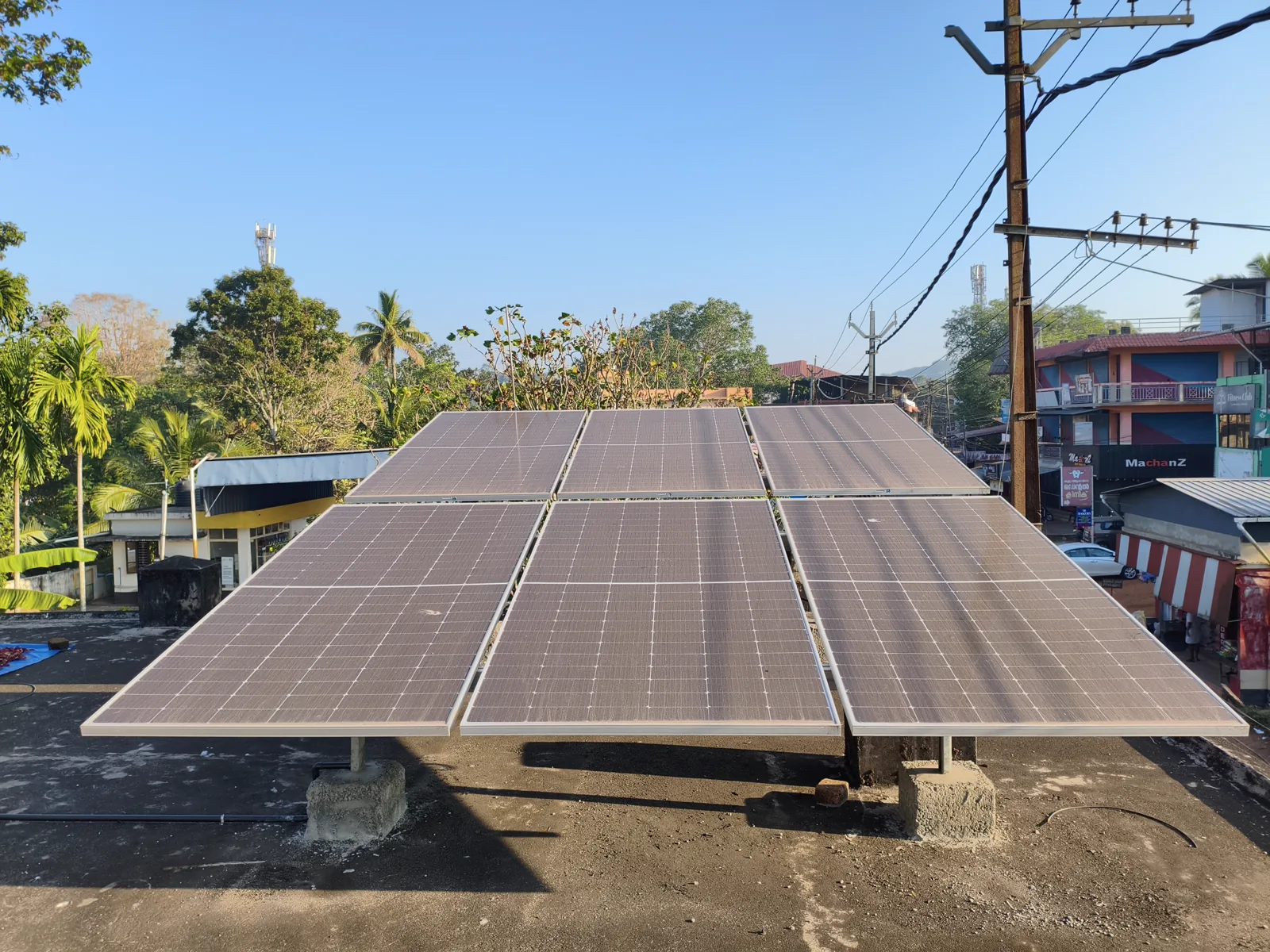

Equipment type and intended use
Define the objective first: temporarily power a small load, back up selected circuits, or integrate storage with an installed solar system. Do not treat a portable battery as evidence that an apartment can host fixed equipment, and do not assume a fixed battery replaces interconnection rules. Each option needs a real review of equipment, placement, connection and intended use.
The Nueva Energía official source reviewed does not establish a general apartment rule. Its conditions concern a closed program and mention single-family homes, battery systems and permanent attachment. That distinguishes that program's scope; it does not approve or reject your case. For backup concepts, see the battery guide and how to think about autonomy.
- Exact product name and model.
- Loads proposed, without promising runtime.
- Physical location, ventilation, access and building restrictions.
- Difference between a sales demonstration and property evaluation.
| Type | Question before purchase or installation |
|---|---|
| Portable | Do its use, load, placement and charging comply with manufacturer instructions and property rules? |
| Installed battery | Who designs, installs, inspects and maintains the system? |
| Solar plus battery and interconnection | Which permits, agreements and grid review apply in addition to equipment? |
Source: Programa Nueva Energía
Property permission and restrictions
The captures reviewed contain no general authorization to install batteries in apartments. Check the deed or lease, condominium rules, management, association, insurer and relevant authorities. Permission from one owner may not cover common elements, facade, roof conditions, shared electrical areas, access paths or equipment outside the unit.
Request written answers stating precisely what is permitted, where, and under what conditions. Also establish whether plans, permits, inspection or a licensed professional are required. Do not treat silence from management as permission.
- Who owns the proposed equipment location?
- Which condominium, lease or insurance rules apply?
- Will panels, wiring, roof or common areas change?
- Which permit or inspection must be checked before contracting?
Compatibility and professional assessment
Compatibility depends on existing electrical installation, equipment capacity, connection method, safety conditions, placement and applicable rules. A product sheet cannot answer those questions for one unit. Ask a qualified professional to identify what it evaluates, what it does not evaluate, and what condition would stop the work.
If the project intends grid connection or solar generation, treat interconnection as separate from the purchase decision. LUMA describes technical review and documentation conditions for distributed generation; use the interconnection sequence and do not assume a battery itself authorizes grid changes.
- Written assessment scope.
- Existing equipment that will or will not be touched.
- Outstanding safety, permit and access requirements.
- Maintenance plan and responsibility after installation.
Source: Proceso regular a nivel de distribución, Pasos de Medición Neta
Alternatives within the verified service scope
Where permission or evidence is insufficient for fixed equipment, the responsible alternative is not to promise another installation. It may mean pausing, requesting property rules, evaluating load needs with a professional, or considering options allowed by both property and manufacturer. This page does not sell portable products or confirm that they can run medical equipment, air conditioning or other loads.
An incentive program does not replace those permissions. Nueva Energía says it is closed to new applications and its published conditions are specific. Keep property feasibility separate from program-status checking.
- Document permission before paying a nonrefundable deposit.
- Request a proposal that lists exclusions and scope changes.
- Do not use runtime or savings figures as a guarantee.
- Keep an exit path if technical or property review does not approve the project.
Source: Programa Nueva Energía
Questions
Are a portable battery and an installed battery the same?
No. Their use, connection, placement and potential permission requirements can differ. Identify the product and scope before assuming equivalence.
Does Nueva Energía confirm an apartment qualifies?
No. The capture says the program is closed to new applications and its published conditions are specific to single-family homes and other requirements.
Source: Programa Nueva Energía
Prepare a like-for-like comparison
Use a documented checklist to compare equipment, scope, warranties, payment terms and unresolved questions.
Compare solar quotesSources
- Programa Nueva Energía — Puerto Rico Department of Housing, CDBG-DR/MIT, 2026-11-15
- Proceso regular a nivel de distribución — LUMA Energy, 2026-11-15
- Pasos de Medición Neta — LUMA Energy, 2026-11-15